Steak Technique
A steak does not know what the clock said. Thickness, starting temperature, equipment, and heat change the schedule, so these guides teach visual cues while letting a thermometer make the safety decision. Technique here is repeatable rather than mystical: dry the surface, manage the heat, prevent cross-contamination, and slice with the grain mapped before dinner gets impatient.
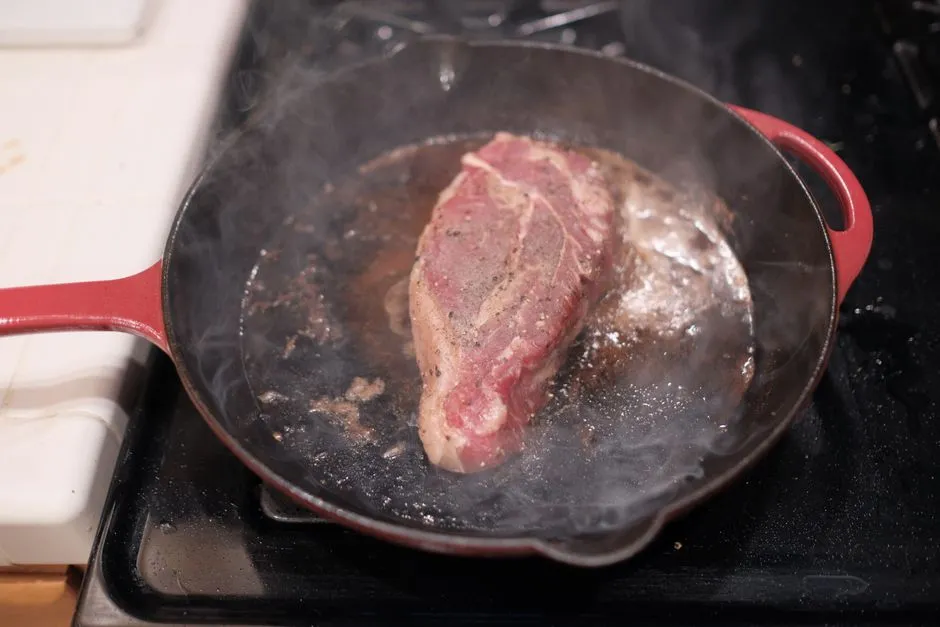
How to Slice Steak Against the Grain
To slice steak against the grain, identify the direction of the visible muscle fibers before cooking and note it with a small corner cut or photo.
Best Thermometer for Steak: Instant-Read or Leave-In?
For most home steak cooks, our first pick is a digital instant-read thermometer: it suits spot checks across individual steaks.
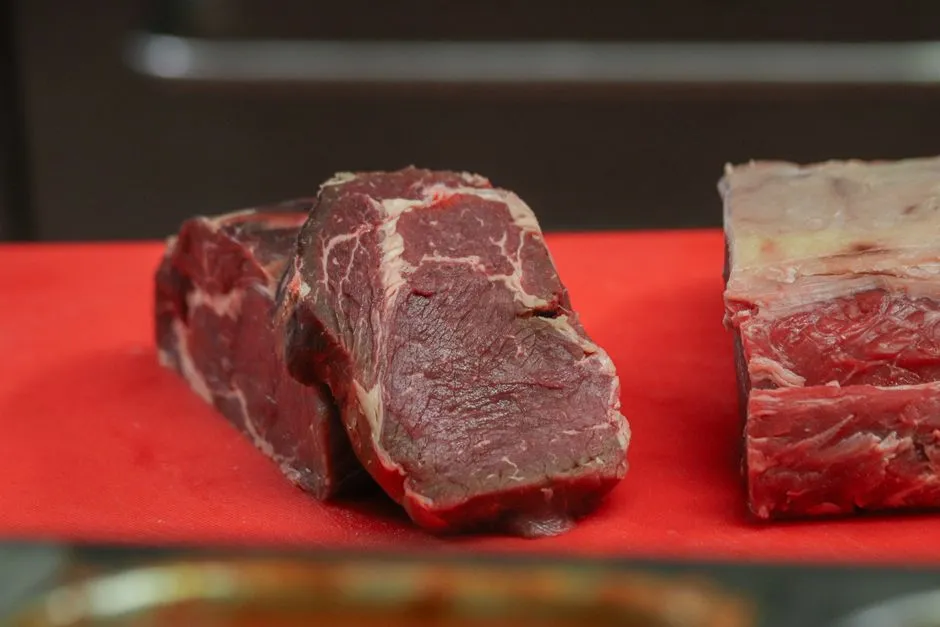
Reverse-Sear Steak: A Thermometer-First Method
To reverse-sear a 1½- to 2-inch steak, dry and salt it, then bake on a rack in a 250°F oven until the center reaches about 125°F to 130°F.
How Long to Reverse Sear Steak: A Timing Plan
Reverse-sear minutes are estimates tied to steak thickness, starting temperature, equipment, and the stage being measured.
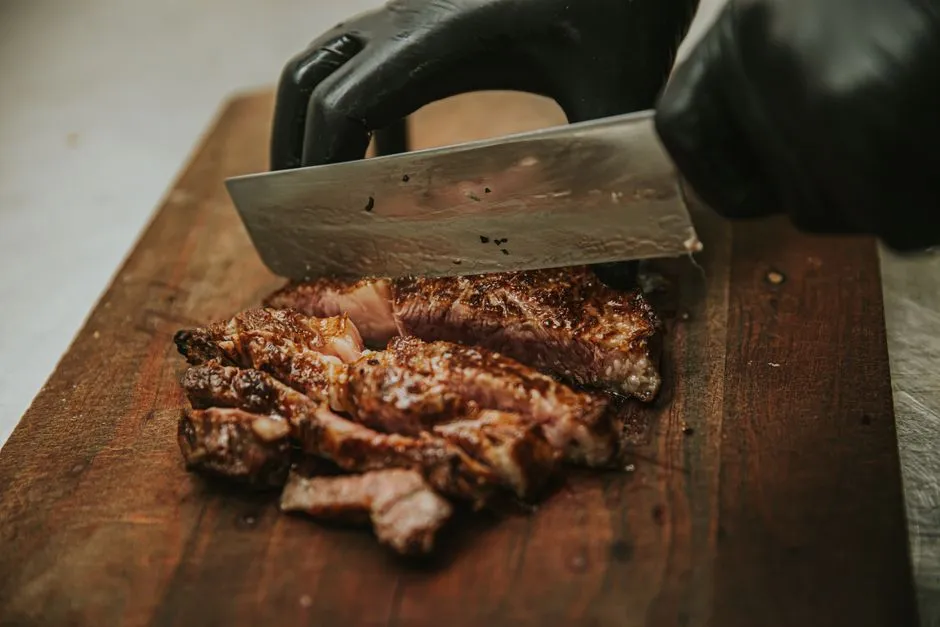
Steak Doneness Temperatures: A Clear Chart
For whole beef steaks, USDA's safe minimum is 145°F (62.8°C), followed by at least a 3-minute rest; ground beef must reach 160°F (71.1°C).