Chimichurri for Steak: A Bright 1-Cup Batch
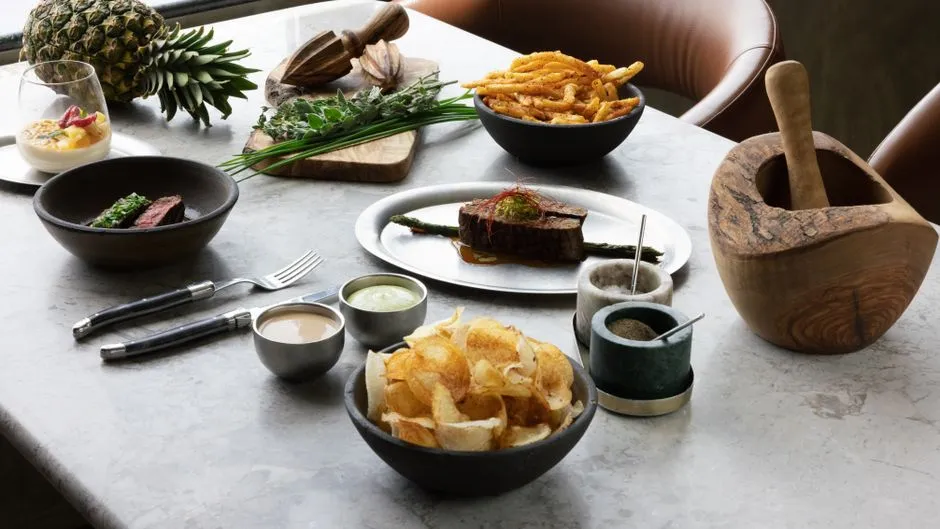
- A bright sauce for a rich plate
- Recipe at a glance
- Ingredients
- Chop the parsley rather than pureeing it
- Hydrate the dry seasonings in vinegar
- Rest for 20 minutes and taste
- Spoon onto cooked steak safely
- Use it with barbecue and vegetables
- Make thoughtful substitutions
- Fix common sauce problems
- Refrigerate promptly and use within 4 days
- Keep the sauce fresh and the method precise
A bright sauce for a rich plate
Chimichurri brings parsley, garlic, vinegar, chile, and olive oil to steak without turning them into a smooth green blanket. It should remain loose and spoonable, with visible herbs and a sharp edge that makes the next bite of beef feel like a fresh idea.
This formula makes about 1 cup. It uses weights for the ingredients most likely to vary in a spoon and volumes for the liquids. Chop by hand, rest the sauce for 20 minutes, and taste again. Raw garlic is an impatient ingredient; it tends to enter the room before everyone else and then settle down.
Because this sauce contains fresh garlic and herbs in oil, refrigerate it promptly and use it within 4 days. Do not store it at room temperature.
Recipe at a glance
- Yield: About 1 cup (240 millilitres)
- Preparation: 15 minutes
- Rest: 20 minutes
- Total: 35 minutes
- Storage: Refrigerate at 40°F (4°C) or below and use within 4 days
The liquid ingredients total 180 millilitres: 60 millilitres vinegar + 120 millilitres oil. The chopped herbs, garlic, and spices add volume, bringing the finished loose sauce to approximately 240 millilitres. Herb packing and chop size make “about” more accurate than pretending every parsley leaf occupies identical space.
Ingredients
- 30 grams flat-leaf parsley leaves and tender stems, washed and thoroughly dried
- 10 grams fresh garlic, finely minced
- 2 grams dried oregano
- 2 grams red-pepper flakes
- 3 grams fine salt
- 60 millilitres red-wine vinegar (1/4 cup)
- 120 millilitres extra-virgin olive oil (1/2 cup)
The volume conversions use a US cup of 240 millilitres: 1/4 cup is 60 millilitres, and 1/2 cup is 120 millilitres. No conversion has been asked to perform interpretive dance.
Choose fresh, crisp parsley without slimy or yellowed leaves. Wash it under cool running water and dry it thoroughly in a salad spinner or clean towels. Excess water dilutes the sauce and makes the herbs harder to chop cleanly.
Chop the parsley rather than pureeing it
Gather the dry parsley and slice it finely with a sharp chef's knife. Turn the pile and continue until the pieces are small but visibly leafy. Weigh 30 grams after removing tough lower stems.
Mince 10 grams garlic. Spread it through the parsley and chop briefly to distribute it. Avoid grinding the mixture into paste; chimichurri benefits from texture, and aggressively bruised herbs can taste muddy.
A food processor can work in short pulses. Add parsley, garlic, oregano, chile, salt, and vinegar, pulse only until chopped, then transfer to a bowl and stir in the oil by hand. Continuous blending can make the sauce too smooth and may emphasize bitterness in olive oil.
Hydrate the dry seasonings in vinegar
In a clean medium bowl, combine 60 millilitres vinegar, 2 grams oregano, 2 grams red-pepper flakes, and 3 grams salt. Stir until the salt dissolves, then leave for 5 minutes.
This short pause hydrates the dried oregano and chile before oil coats them. Add the parsley and garlic and stir well. Pour in the 120 millilitres olive oil while stirring.
The sauce should be loose enough to spoon, with herbs suspended rather than packed into a mound. Scrape the bowl accurately; the ratio works only when the oil makes it into the sauce instead of enjoying a private life in the measuring cup.
Rest for 20 minutes and taste
Cover the bowl and let it rest in the refrigerator for 20 minutes. This brings the dried seasonings into the mixture and softens garlic's first sharp impact. Stir thoroughly before tasting because vinegar settles below the oil.
Assess four things separately: salt, acidity, heat, and texture. Make small measured changes:
- For more acidity, add vinegar 5 millilitres at a time.
- For a softer edge, add olive oil 15 millilitres at a time.
- For more heat, add red-pepper flakes 0.5 gram at a time.
- For more salt, add 0.5 gram at a time.
Record additions if you want to repeat the variation. A magnificent unmeasured glug is difficult to reproduce and even harder to reverse.
Spoon onto cooked steak safely
Cook whole beef steak to at least 145°F (62.8°C) and rest it for at least 3 minutes, following USDA guidance. Our reverse-sear method builds that endpoint into the oven and skillet stages.
Transfer only the amount of chimichurri needed for serving into a small bowl. Use a clean spoon on cooked meat. If any sauce, brush, or utensil touches raw beef or raw-meat packaging, keep it away from the table sauce and discard it. The simplest safe method is two bowls and no attempted redemption arc for the raw marinade.
Slice the rested steak against the grain, then spoon a modest line of sauce across or beside it. Start with about 1 tablespoon per person and offer more at the table. The sauce should contrast with the beef, not issue an eviction notice.
Use it with barbecue and vegetables
Chimichurri's acidity works beside smoked beef short ribs, especially when the bark is peppery and the meat is rich. Serve it after cooking; prolonged heat dulls the fresh parsley.
It also suits roasted mushrooms, grilled courgettes, boiled potatoes, beans, eggs, and bread. For vegetables, maintain separation from raw-meat tools and platters. A sauce does not need to touch steak to become useful, which is fortunate news for Tuesday.
If using it as a marinade, portion that amount before adding meat. Marinate covered in the refrigerator, never on the counter. Discard the used marinade rather than returning it to the fresh serving bowl.
Make thoughtful substitutions
Cilantro: Replace part or all of the parsley while keeping the total herb weight at 30 grams. The profile changes, but the yield stays close.
Fresh oregano: Use it as a flavour variation, not a direct gram-for-gram assumption. Fresh leaves contain water and taste different from dried. Start with 6 grams finely chopped fresh oregano, then adjust after resting.
Lemon juice: It can replace part of the vinegar for a different acidity. Keep at least 30 millilitres vinegar and replace the other 30 with lemon juice as a starting variation. The storage limit remains 4 days; this casual substitution is not a preservation process.
Milder heat: Use 1 gram red-pepper flakes. Chile potency varies, so the half-dose is a starting point, not a promise.
No garlic: Omit it for dietary preference. The sauce becomes herbier and loses its main pungent note, but no other ingredient needs mathematical compensation.
Fix common sauce problems
Too harsh: Give it the full 20-minute rest. If it remains sharp, add oil in 15-millilitre increments and stir before tasting.
Too oily: Stir from the bottom first. Then add vinegar in 5-millilitre increments. Do not add more parsley immediately; it changes yield and can make the mixture feel dry rather than balanced.
Too salty: Make a second unsalted half-batch—15 grams parsley, 5 grams garlic, 1 gram oregano, 1 gram chile, 30 millilitres vinegar, and 60 millilitres oil—then combine gradually. Adding only oil can mute acidity and herb flavour along with salt.
Bitter: Overprocessing olive oil or herbs may be responsible. Stir in a milder olive oil 15 millilitres at a time. Next batch, pulse less or chop by hand.
Watery: The parsley may not have been dried or extra acid may have been added. Stir thoroughly and add oil in measured increments; do not attempt to boil a fresh sauce down.
Refrigerate promptly and use within 4 days
Fresh garlic in oil needs strict cold storage. The National Center for Home Food Preservation says garlic-in-oil should be refrigerated at 40°F or lower for no more than 4 days because room-temperature mixtures carry a botulism risk.
Transfer chimichurri to a clean covered container, label the preparation date, and refrigerate within 2 hours. Use within 4 days. Never keep it on the counter as a decorative bottle, and never attempt to can this recipe.
Olive oil may thicken or turn cloudy in the refrigerator. Portion what you need with a clean spoon and let that serving stand briefly while the steak rests, then stir. Discard sauce that smells off, shows mold, or exceeded the time or temperature limit; a normal smell cannot prove safety either.
Freeze small portions for longer storage if desired, allowing headspace in a freezer-safe container. Parsley texture may soften after thawing, so use thawed sauce in cooked dishes or refresh it with a little newly chopped herb.
Keep the sauce fresh and the method precise
Chimichurri is forgiving about parsley stems and chile strength, but it rewards measured changes. Chop, hydrate, stir, rest, and taste. Serve it from the clean bowl, refrigerate the remainder, and let a bright tablespoon make rich beef feel ready for another bite.
This recipe provides general food-preparation information. Follow current government food-safety guidance, product labels, and equipment instructions. Seek qualified advice for individual dietary or health needs.